Book:Olveston: Portrait of a home
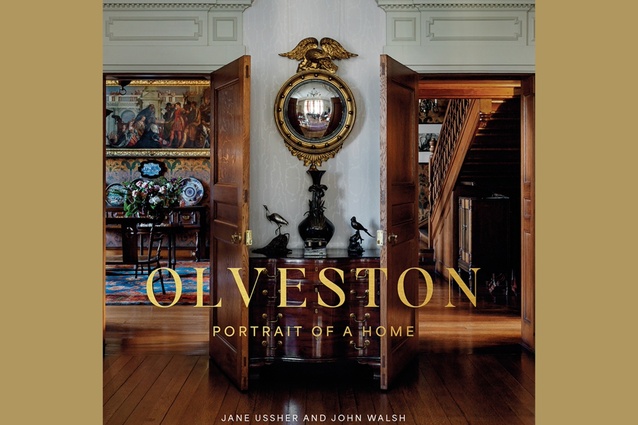
Olveston: Portrait of a home by photographer Jane Ussher and writer John Walsh.
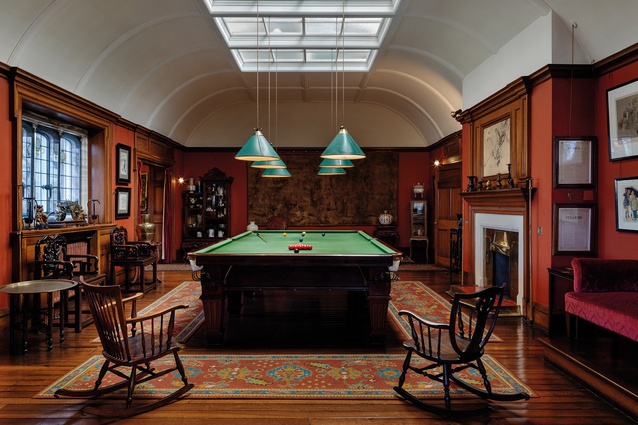
The billiards room.
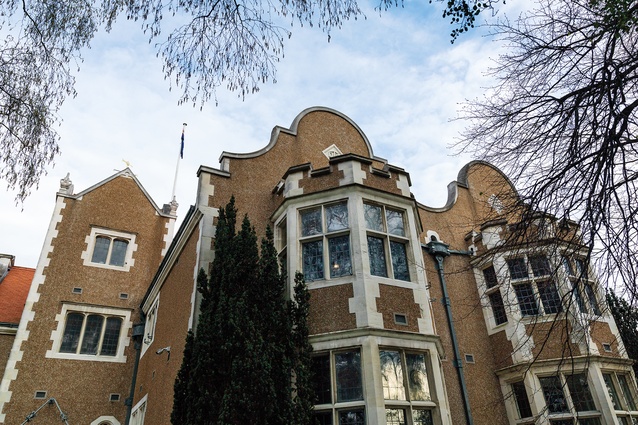
Exterior of the 1907 house.
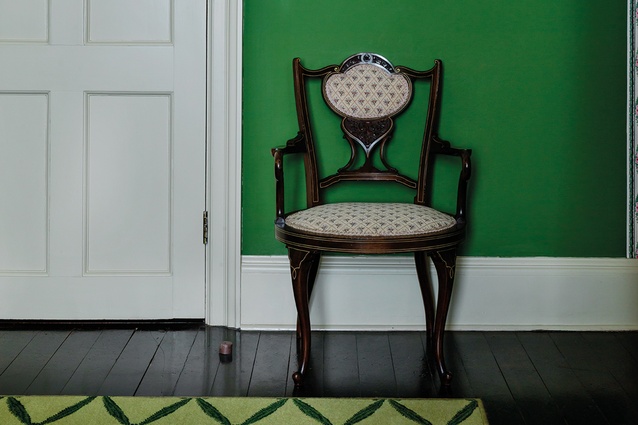
Detail from the green bedroom.
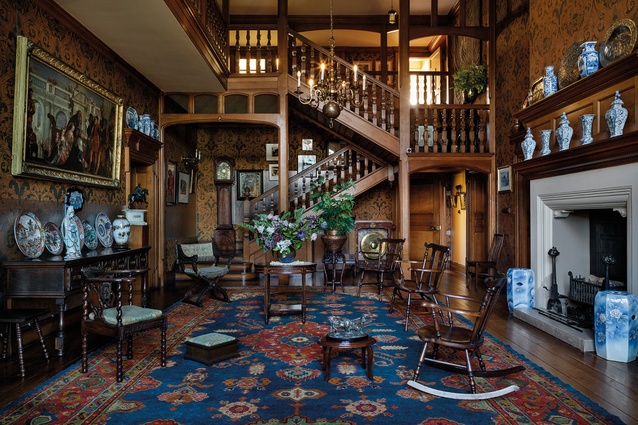
Collections and the ephemera of Olveston.
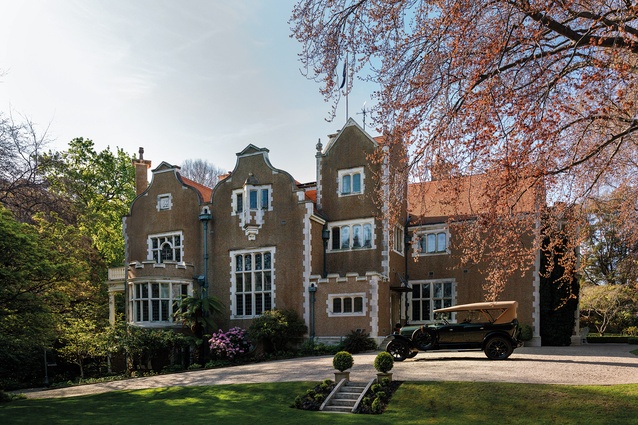
Olveston house exterior.
Portrait of a home is a collaboration between photographer Jane Ussher and writer John Walsh. The book captures Olveston through its lush images and carefully sets out the story of the family and the origins of this astonishing Edwardian house.
Olveston is a place where ‘more is more’. Its multilayered richness expresses the life and interests of the Theomin family, who created this impressive home and lived here from 1907 to 1966. Underlying the luxury are very human stories of loss and change.
Olveston is a portal to the world of wealthy Edwardian society in Dunedin. Every part of the place connects directly to the life of the family. It is unique in New Zealand: a place where a property with all its chattels, both the outstanding collections and the ephemera of daily life, has been gifted to the community, then retained and respected. It is not a set-dressed museum. The authenticity of the place, its finishes and all its objects are what make it so remarkable. It is a direct connection to another time: a national treasure, a taonga that deserves to be celebrated.
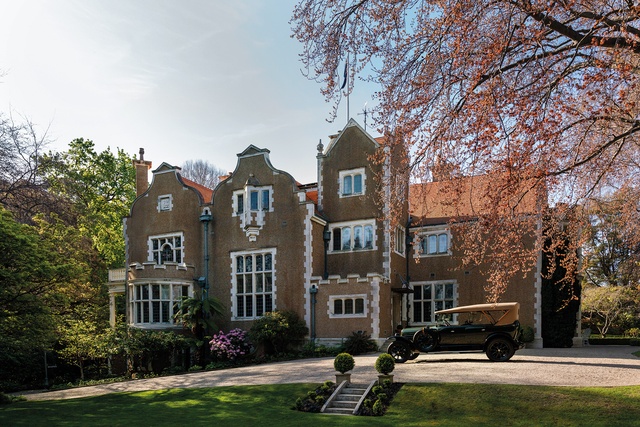
David and Marie Theomin were widely travelled, deeply engaged in the Dunedin community and had sophisticated taste. They were avid collectors. The family had very wide-ranging interests and the means to indulge them. At a time when travel was a luxury, they went to exotic destinations and sent back decorative items that were used to create ‘atmosphere’ in the house.
Even the house is a form of ‘collecting’, a demonstration of their desire to create something outstanding. They travelled to England in 1902 to commission London’s leading domestic architect, Ernest George, to design their house. George accepted. The house, completed in 1907, was constructed to his design, with the work overseen by Robert Meikle of local architects Mason & Wales.
As described by Walsh, the Flemish Renaissance design of this house sits very comfortably with the best of his work. Walsh sets the house within the milieux of George’s ‘English manor houses’, giving examples of his other outstanding work from that period. It is the international architecture of its time. The house is planned as unfolding theatre, a compact version of the grand homes George had designed in the UK. The sequence of spaces creates architectural drama that is far more than decorative style. The house was planned as a demonstration of social power and success — a place to receive and impress visitors — not just a family home.
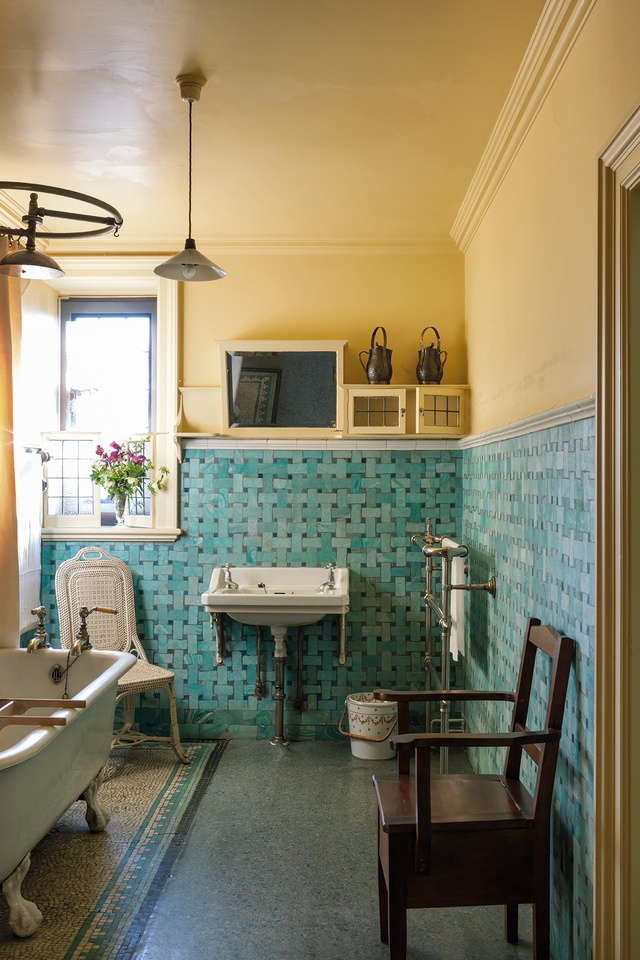
Olveston is extremely photogenic and Ussher’s photographs capture the lushness of the house in its full glory. The aesthetic sensibilities of the Theomins inform every image and carry the viewer into their world of opulence and grandeur. Ussher also captures the ordinary life of the house, with images of the back rooms that resonate with Shaker-style simplicity.
The descriptive text at the back of the book takes the reader on a journey through the house, room by room, describing the ways in which each space was used by the family, as well as noting the contents of each space.
The dedication in the book is to David Theomin: an appropriate gesture as he and his daughter Dorothy were responsible for their long-planned decision to gift this place to the people of Dunedin. Dunedin deserves thanks from us all for honouring that gifting. Olveston deserves to be celebrated, studied and visited, and this book both contributes significantly to the understanding of this place and celebrates its qualities.
Olveston: Portrait of a home, is available from Massey University Press. It retails at $85NZD and can be purchased here.