New Zealand can’t build faster until we build smarter

Manuel Diaz is a director at Peddlethorp.
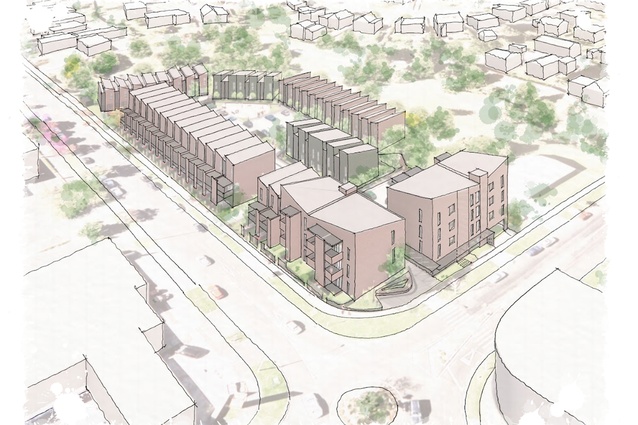
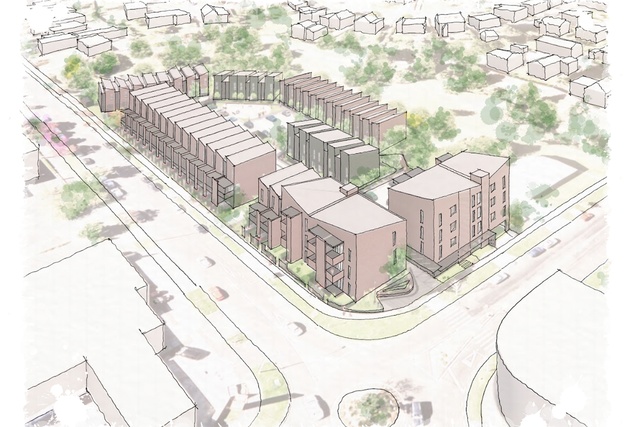
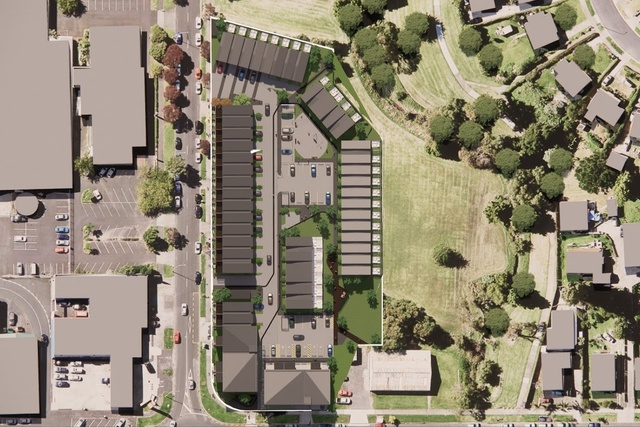
Standardised multi-residential development in Auckland.
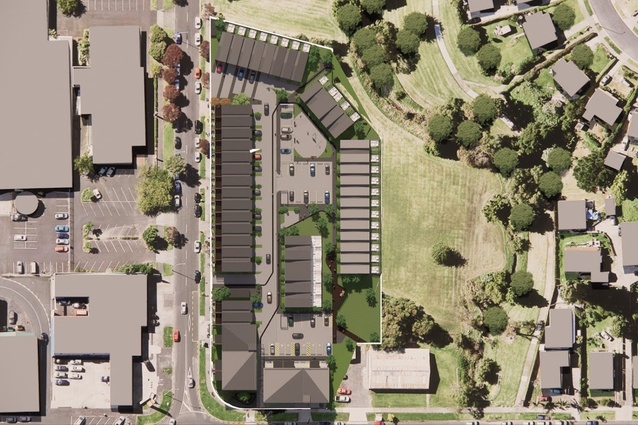
Standardised multi-residential development in Auckland.
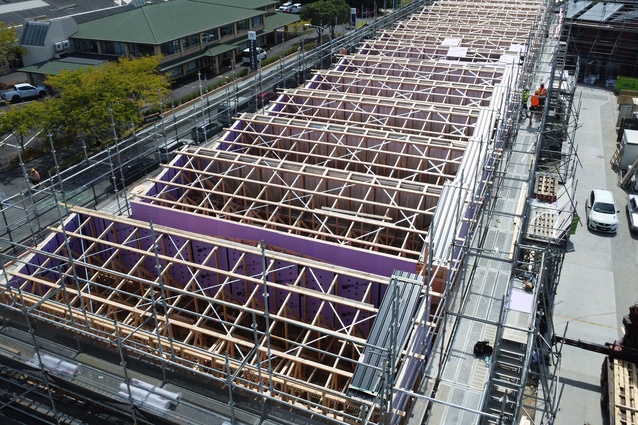
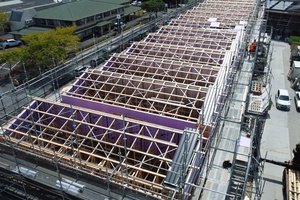
Standardised medium-density housing under construction in Auckland.
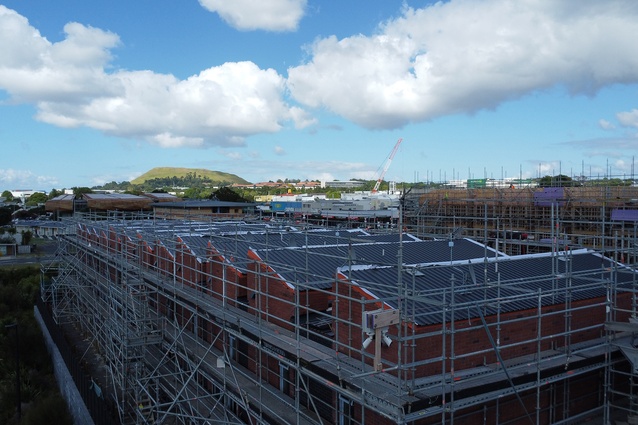
Standardised medium-density housing under construction in Auckland.
New Zealand’s construction sector is caught in a cycle of good intentions and uneven outcomes. The ambition is clear – more housing, faster infrastructure delivery and greater affordability but the way buildings continue to be designed and delivered does not always support those goals.
Projects are becoming more complex, costs remain high, and certainty is harder to achieve at a time when speed and predictability matter more than ever.
The industry is operating in a landscape of constant change. Regulatory reform, planning changes, evolving liability settings and shifting compliance requirements have created an environment where long-term investment decisions are being made while the rules continue to shift beneath them.
Recent policy shifts — from the removal of MDRS (Medium Density Residential Standards) to the introduction of Plan Change 120 (PC120) — reflect a system still searching for the right settings. As OCR pressures ease, projects that were previously marginal are becoming viable again, bringing renewed appetite for delivery across both public and private sectors. Yet uncertainty remains embedded in the system.

Add rising construction costs, constrained labour supply and prolonged consenting timeframes — in some cases stretching well beyond 12 months — and it is no surprise many projects struggle to get underway. These are systemic constraints that continue to undermine productivity and confidence across the sector.
But regulation alone is not the problem. The industry itself must accept some responsibility.
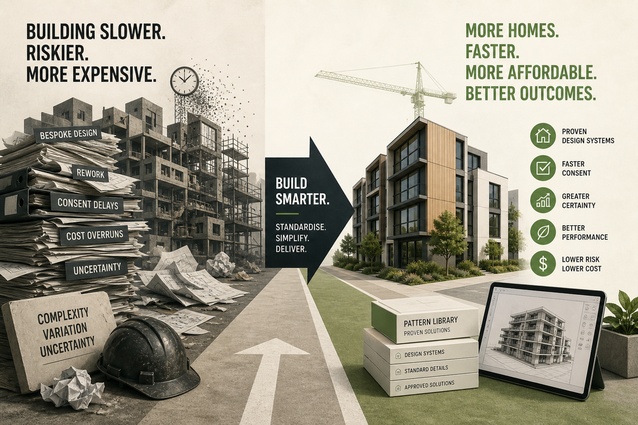
For too long, construction in New Zealand has treated every project as entirely unique. Each development starts again from first principles, with new designs, new details and new approval pathways. While this may satisfy a desire for individuality, it also introduces unnecessary complexity.
In a high-cost environment, complexity is risk. It slows decision-making, reduces cost certainty and increases the likelihood of delay. At a time when the country needs faster delivery and more predictable outcomes, continuing to reinvent the wheel is no longer sustainable.
The solution is not radical. It is discipline.
Standardisation — using proven, repeatable design approaches — offers one of the clearest opportunities to improve productivity across the sector. Yet it remains controversial, particularly within parts of the design community that still equate it with a loss of creativity. This is a false choice.
Standardisation does not mean identical buildings or compromised design. It means removing unnecessary variation so projects can be delivered more efficiently, using systems already understood by contractors, councils and suppliers. Most importantly, it reduces uncertainty for the people funding and delivering projects.
Across sectors including multi-unit residential, student accommodation and healthcare, repeatable design systems are already delivering tangible outcomes. Design and documentation time is reduced through modular, well-resolved details. Consenting pathways become more straightforward when proven systems and compliant materials are consistently applied.
Contractors are pricing known solutions rather than unknowns, improving cost accuracy and reducing contingency. On site, simplified construction approaches reduce the number of trades required, minimise disruption and create safer working environments.
Internationally, this shift is already underway. In New South Wales, the government’s housing pattern book initiative provides architect-designed homes that are effectively pre-approved, reducing design costs and accelerating delivery.
New Zealand has been slower to embrace this thinking, often because of the belief that good architecture must be bespoke to be valuable. In reality, complexity often benefits no one.
The industry also needs to confront an uncomfortable truth. Low productivity in construction is not solely the result of regulation or market conditions. Fragmented delivery models and a reluctance to standardise where it makes sense have also contributed.
New technologies, including AI and digital design platforms, are reshaping how buildings are conceived and delivered. The opportunity is not to add further layers of complexity, but to use these tools to reinforce consistency, precision and efficiency.
Sustainability reinforces this shift. Regardless of political cycles, buildings will need to perform better and operate more efficiently over their lifetime. Smarter, simpler design reduces waste, improves performance and supports affordability — without necessarily increasing upfront cost.
Sustainability is not about ticking a box or chasing certification for its own sake. It requires a step change in building performance. Projects such as Passive House social housing developments demonstrate that when standardised design is combined with scientific rigour, the outcome is not just lower emissions, but better-performing buildings that deliver long-term value.
None of this diminishes the role of design expertise. It elevates it. The challenge is no longer to design something different for the sake of difference, but to design intelligently within clear constraints.
Certainty has become one of the most valuable commodities in the market. Standardisation provides a pathway toward that certainty. It allows risk to be better understood, delivery to be more predictable and collaboration between project partners to improve.
The question facing the industry is not whether change is coming, but whether it is prepared to change with it.
The answer to the industry’s productivity challenge will not come from government levers alone. It lies in the technical expertise and strategic discipline of architects willing to stop reinventing the wheel. By embracing standardisation intelligently, the sector can deliver faster, more affordable and more sustainable outcomes — without sacrificing the identity of the communities it serves.
It is time to stop resisting simplicity and start recognising it as progress.