Taking notes from Japan

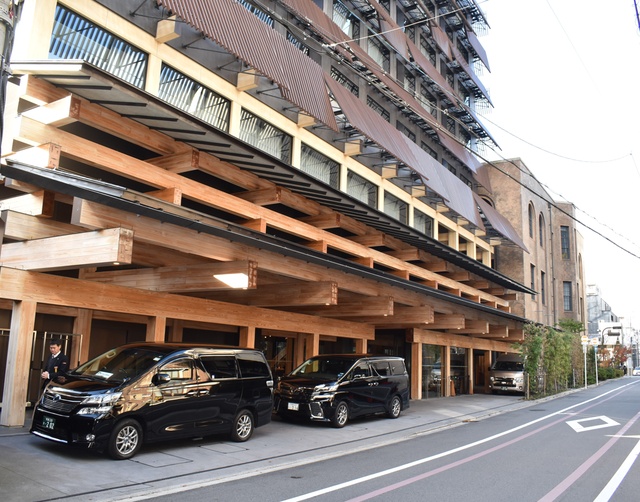
Kengo Kuma’s Ace Hotel in central Kyoto.
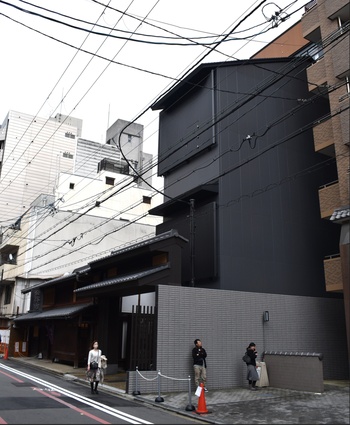
A modern redevelopment behind machiya frontage.
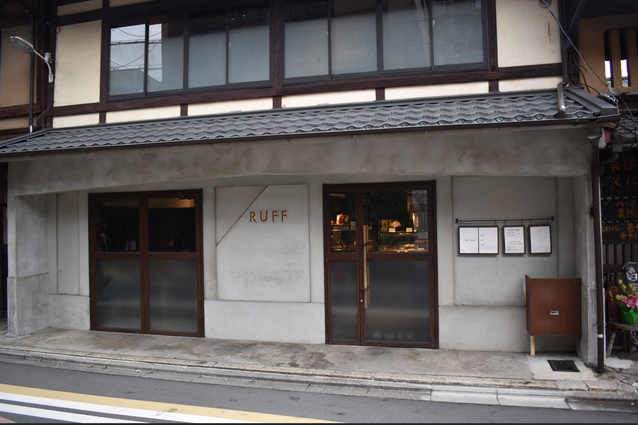
A restored and re-purposed kura (storehouse) in central Kyoto.
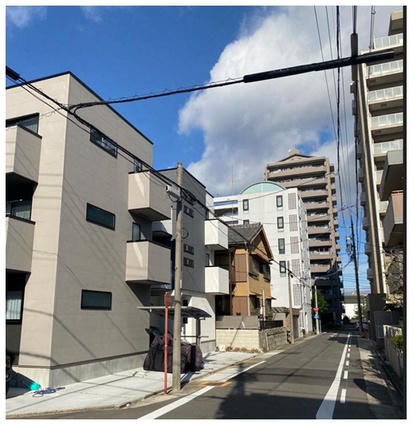
Typical urban form in Japan: apartment towers fronting major roads, with density reducing back into urban blocks.
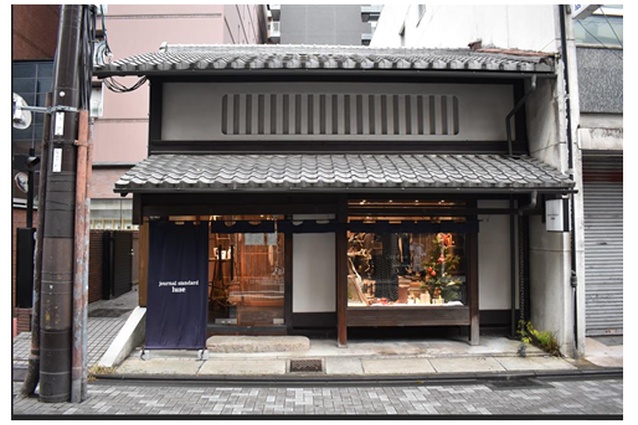
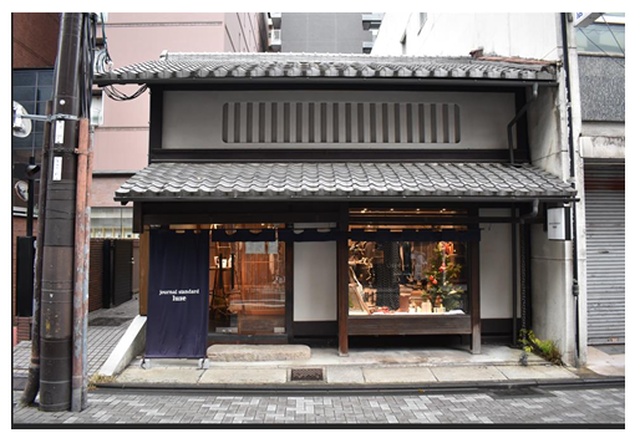
A renovated machiya in central Kyoto.

Restored and re-purposed kura (storehouse) in central Kyoto.
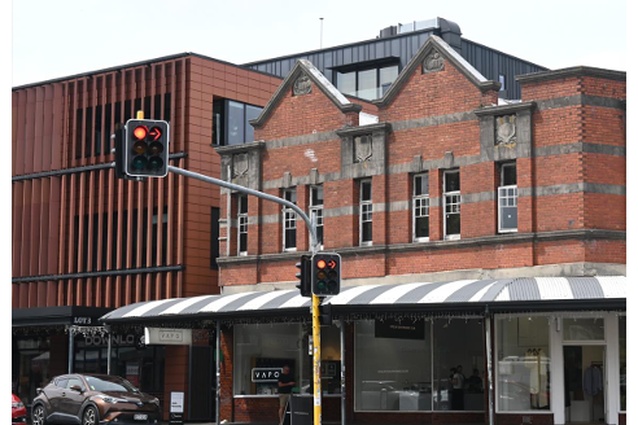
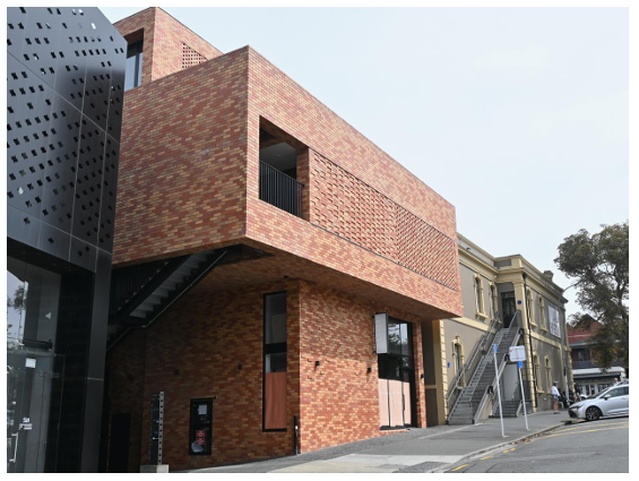
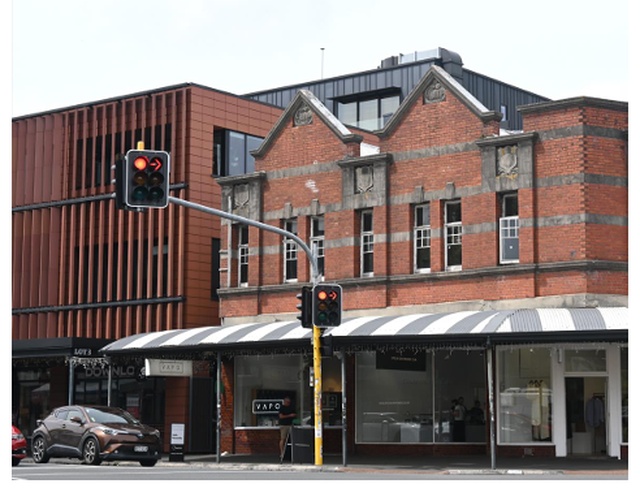
Modern architecture in a Special Character Area in Auckland’s Ponsonby.
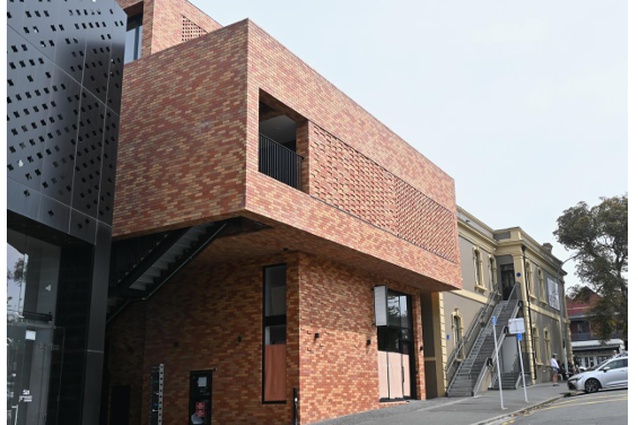
Modern architecture in a Special Character Area in Auckland’s Ponsonby.
New Zealand’s Minister of Housing, Chris Bishop, has long been an admirer of the Japanese urban planning system. Matthew Paetz holds the same admiration and has been both researching and teaching it at the University of Auckland for a number of years. Here, Paetz looks at what might have been lost in translation.
It’s great to see such interest in a non-Western system, given that the planning and urban design disciplines in this country have so often deferred to British and European traditions. While the West has many great (and not so great) town planning traditions, there’s much we can learn from other cultures in terms of urban planning.
The Resource Management Act (RMA) reform that is being progressed at pace by Minister Bishop’s government has clearly been influenced by the Japanese approach. In particular, its focus on private property rights and the approach of prescribing a limited number of standardised zones (and their rules) at the national level, with local planning focused on where the zones are mapped rather than the content of their policies and rules.
This approach offers a number of benefits in terms of efficiency in creating city plans and providing greater consistency and certainty. However, it can limit the ability of cities and their communities to forge planning approaches that suit particular local needs and context.
While Japan has long had this ‘top-down’ system, a nuance in their approach is that local councils are empowered to add planning rules to the mandatory requirements specified at the national level, in order to protect things that are cherished by communities. This bespoke approach was introduced in 1980, in response to the impacts of a runaway property development bubble and boom, with almost no planning controls and with effectively no ability for communities to influence the future of their neighbourhoods. It has been built on since then, perhaps most notably with the introduction of the Landscape Act in 2004, which allows councils to regulate development in urban, rural and natural landscapes that are considered to be worthy of protection. By comparison, it is notable that the RMA Reform bans the protection of landscapes (other than ‘outstanding’ natural landscapes).
These local planning approaches are typically applied to a particular neighbourhood or discrete district of a city — hence the term ‘District Plan’ in Japan — and prioritise citizen engagement in the planning process. Because the Japanese system places very strong emphasis on private property rights with one of the most liberal and ‘pro-development’ planning regimes in the world, there is a high bar for additional rules to be applied to the standardised zones, and their use is relatively infrequent. When they are used, they are strongly justified. But importantly, they are possible.
These approaches can include rules that regulate the appearance of buildings in areas with a particular character valued by the community. Many New Zealanders have visited the magnificent city of Kyoto in recent years. When I first visited the city in 1996, its traditional townscapes featuring machiya were very much under threat from development, and unsympathetic and often jarring modern architecture was common (sometimes these juxtapositions are visually interesting). However, the introduction of planning approaches including rules regulating building design, flexible land use controls to readily allow for building adaptation, significant financial incentives and concerted public education campaigns has seen a slowdown in the demolition of traditional buildings, and also the restoration of hundreds, if not thousands, of formerly decrepit buildings.
The huge boom in foreign tourism over the past five years has probably helped too many machiya have been repurposed as boutique visitor accommodation, as well as cafes and shops.
Discrete preservation areas that protect collections of buildings and their environs, such as seen in Gion, have been in place for decades under the Historic Preservation Act of 1975. These are the equivalent of heritage precincts in New Zealand. In these districts, design requirements are onerous. Tadao Ando’s design for the recently developed Shimonzen Hotel in Gion demonstrates a reverent yet subtly modern response to these requirements. It should be noted that the RMA reform does not propose banning heritage precincts. Interestingly, it takes a further leaf out of the Japanese urban planning rulebook in introducing a requirement for landowners to be financially compensated, where limitations 3 such as heritage rules are applied to a property, thereby eroding the private property rights that would otherwise be anticipated.
Since the enactment of the Landscape Act in 2004, much larger swathes of central Kyoto are subject to urban planning policies and rules that demand new development be sympathetic to the traditional forms, materials and colours of Kyoto’s rich architectural history and landscape qualities. These do not constitute heritage protection areas as such, but are rather more akin to the character areas that we have in Aotearoa New Zealand. Kengo Kuma’s design for the Ace Hotel and Foster + Partners Apple Store, both in Central Kyoto, show how modern design, reinterpreting Kyoto’s traditional architecture, can work so well in these areas under such urban planning policies, which do not demand slavish mimicry of traditional forms.
Meanwhile, the Planning Bill introduced to New Zealand’s parliament just before Christmas, bans similar rules that regulate development in character areas. This means that rules currently in the Auckland Unitary Plan that regulate design in ‘Special Character Areas’, commonly seen in suburbs and town centres such as Ponsonby, will become defunct. This is a clear distinction from the Japanese system, which I think raises real concerns.
Another notable feature of the Japanese planning system is that while it enables the potential for higher-density townhouses and apartments in most areas of its cities, rules protect neighbours from excessive overshadowing from taller buildings. These rules were introduced in the mid-1970s, after a Japanese court found in favour of citizens who rallied in what became known as ‘the Sunshine Rights Movement’, based on widespread concerns around development casting properties in all-day shadow. Given this, very high density zoning in Japan is usually applied along major roads, the width of which will often allow for taller buildings while complying with the shading rules (although not so readily if a development site is located on the north side of a road; this is why you will often see taller modern buildings in Japan located on the southern side of major roads). There is also a transport rationale for this approach, aligning high-frequency bus services with denser populations. Densities reduce back from the main roads, as you move inwards into neighbourhood blocks.
Other than shading controls, Floor Area Ratio and site coverage rules are effectively the only planning rules regulating building form and design that are consistently applied in Japan, beyond character and heritage areas. Micro-management of how internal areas of sites and buildings are configured is avoided, and this allows for more flexibility in living arrangements. The multi-generational housing that is common in Japan would not usually be possible in Aotearoa New Zealand’s cities under current planning rules. Because of the small number of rules, which developers usually comply with, development tends to happen much more swiftly and is far less bogged down in bureaucracy. Housing supply can respond far more quickly to demand.
RMA reform looks to be following a similar approach, in focusing on allowing for the regulation of direct, objective impacts on neighbours and the immediate environment. To use economic jargon, ‘negative externalities’ is the focus — things such as shading, building dominance, and noise. As in Japan, there is an explicit move to prevent consideration of internal amenity factors such as the configuration and size of internal living areas and mandatory private outdoor space (ie, balconies and courtyards).
Finally, the Japanese urban planning system allows for a degree of mixed-use development in almost all residential neighbourhoods. As per other planning rules in Japan, the rules allowing non-residential development in residential neighbourhoods vary by zone. In lower-density neighbourhoods, only small and low-impact non-residential uses are enabled, while larger-scale uses are possible in higher-density zones. Minister Bishop has stated an interest in seeing more mixed-use development in Aotearoa New Zealand’s higher-density residential areas, as per the Japanese approach.
Through trial and error and the passage of time, the Japanese have arrived at an urban planning system that, while not perfect, helps to create great urban places and provides a good balance between protecting private property rights and the interests of the community. There are many positive aspects to the RMA reform, but I’m not sure that we’ve got this balance quite right, especially in the banning of potential planning approaches in relation to character and landscape values, in both urban and rural areas.
Submissions on the Planning Bill will be open in the first quarter of 2026, with the government’s aim being to enact the legislation by Spring (ie, by the General Election).