Soul work
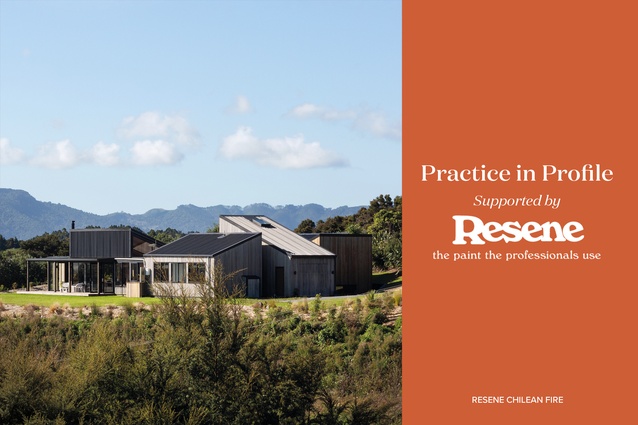
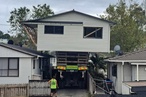
Cunningham House from the road. A seemingly random village of faceted sheds.
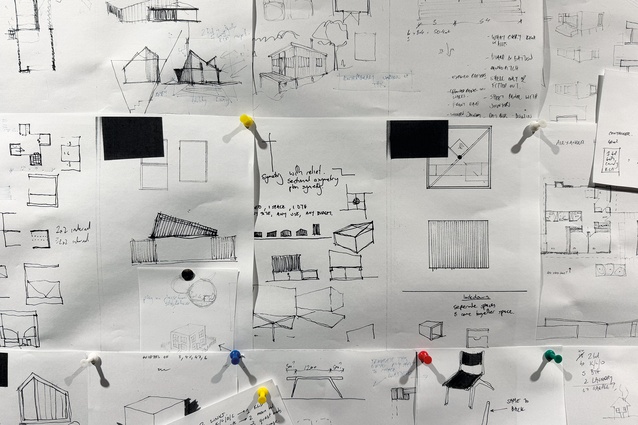
Various pages from Tim’s sketch book of unrealised ideas and explorations pinned up in the kitchen to encourage discussion.
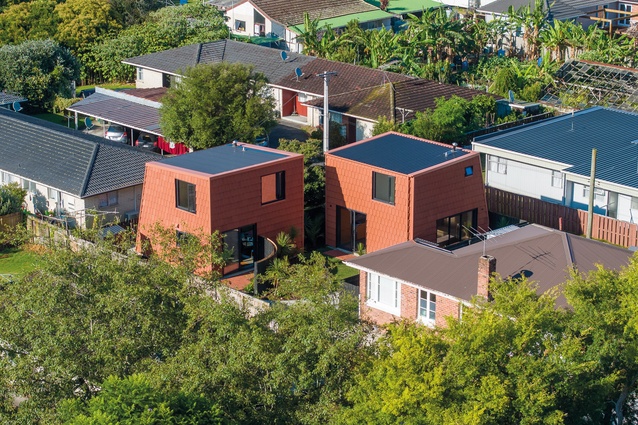
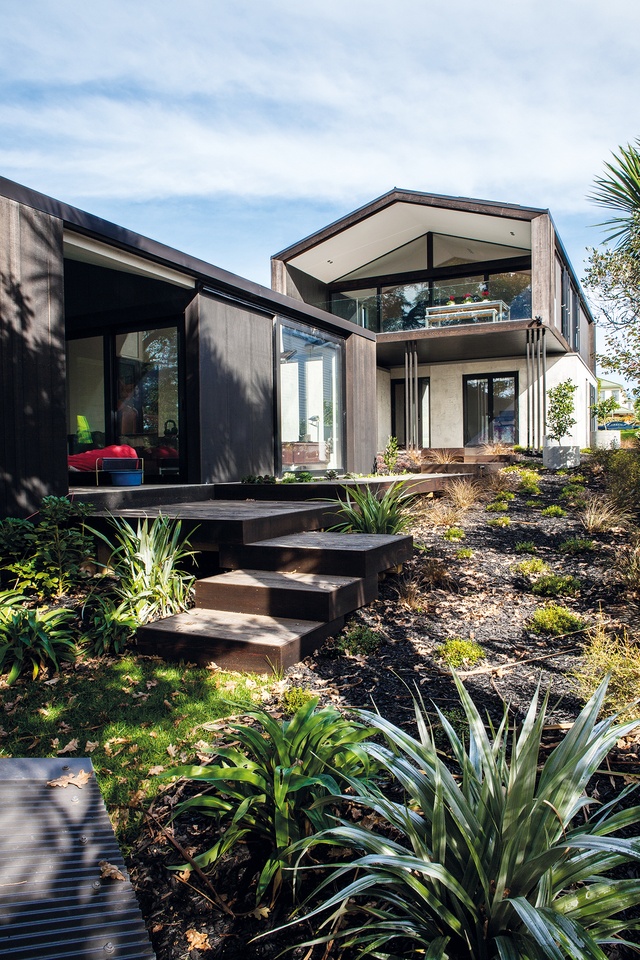
Pocket Houses at Avenue Road in context with units, brick and tiles, and abandoned greenhouses in Ōtāhuhu.
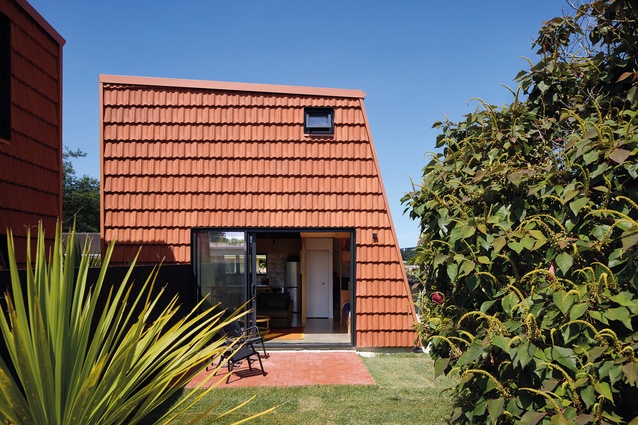
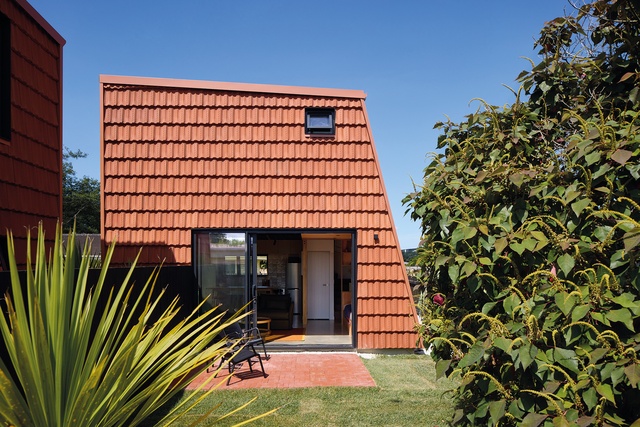
Detail of Pocket House at Avenue Road and connection to back yard.
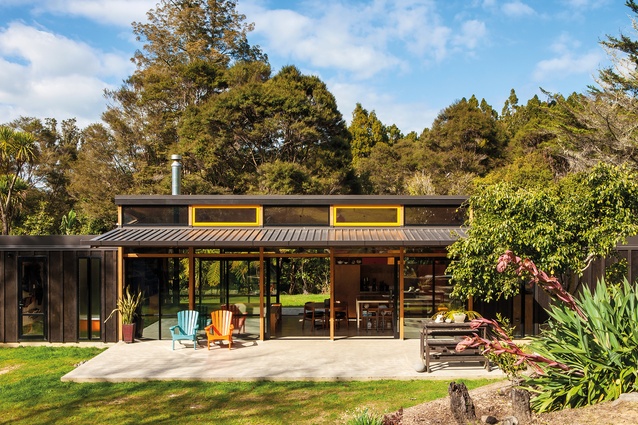
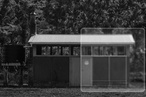
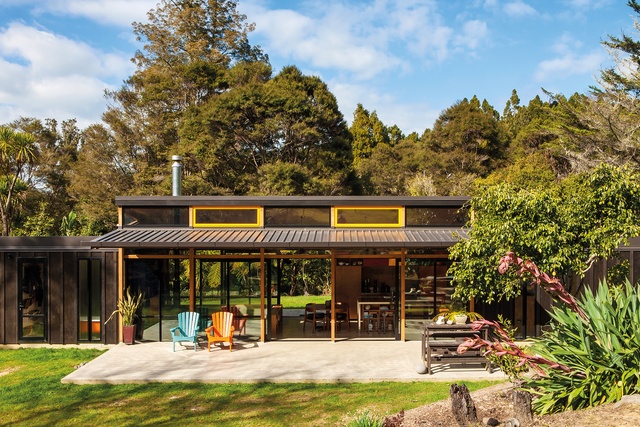
The Easterbrook House was designed as a 4m-wide train of sheds and a central pavilion.
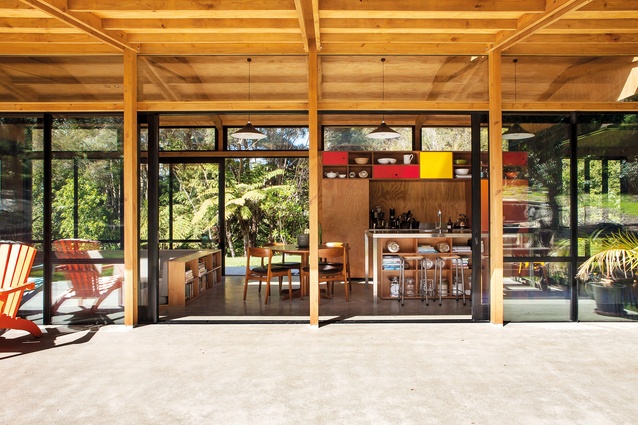
The structural timber and glass pavilion in the centre of the house.
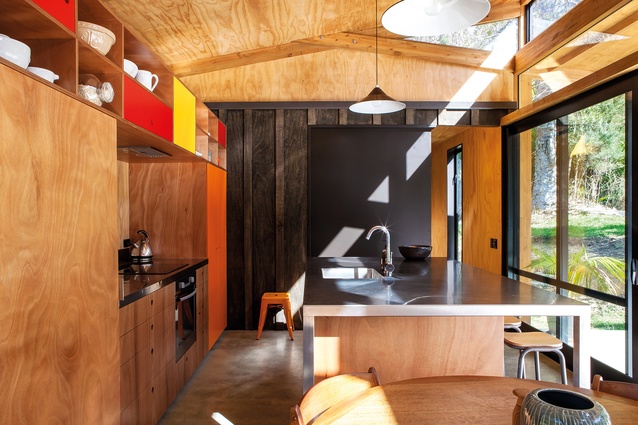
Splashes of colour, natural timber and exterior cladding in the interior of the Easterbrook House.
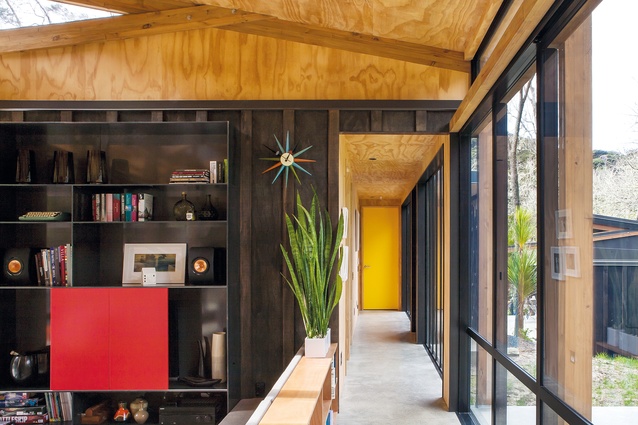
Splashes of colour, natural timber and exterior cladding in the interior of the Easterbrook House.
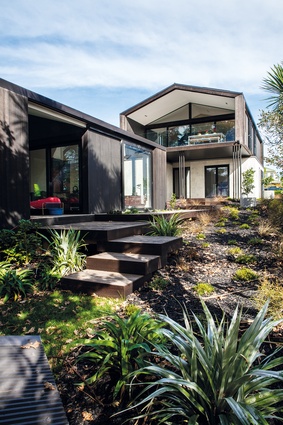
Lynch Street is a multigenerational family house of two boat sheds, one perched on top of a cast in-situ base.
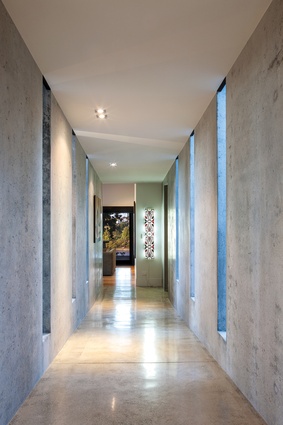
Lynch Street is a multigenerational family house of two boat sheds, one perched on top of a cast in-situ base.
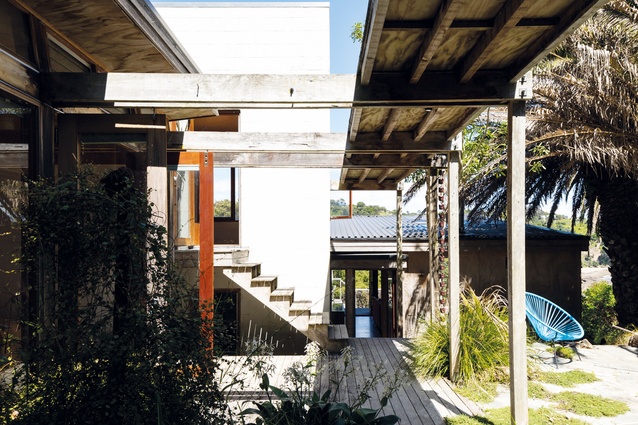
Where it started, grand camping at Tim’s family bach on Waiheke with Schindleresque trusses and touches of Japanese influence.
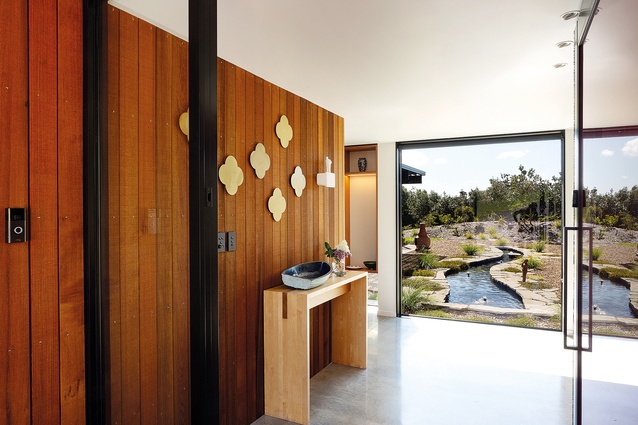
The entry of the Cunningham House, where the extension for part 2 began.
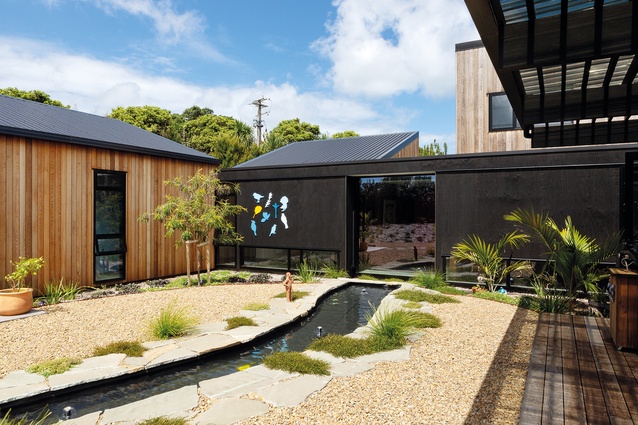
The town square, or central courtyard, of the Cunningham House, with the sheds of part 1 and part 2 wrapping around it.
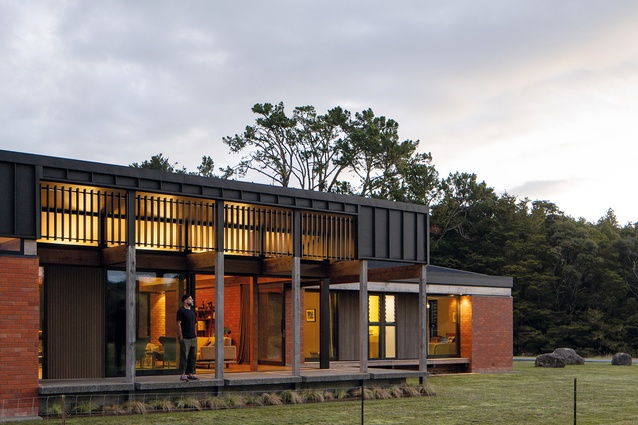
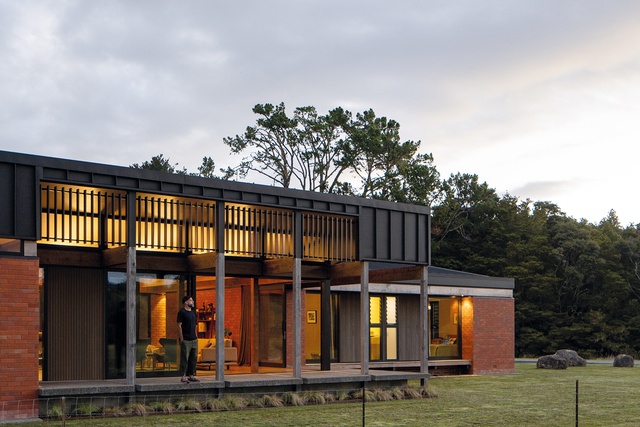
The concrete terrace of the Whareora House provides a platform to view the rural landscape.
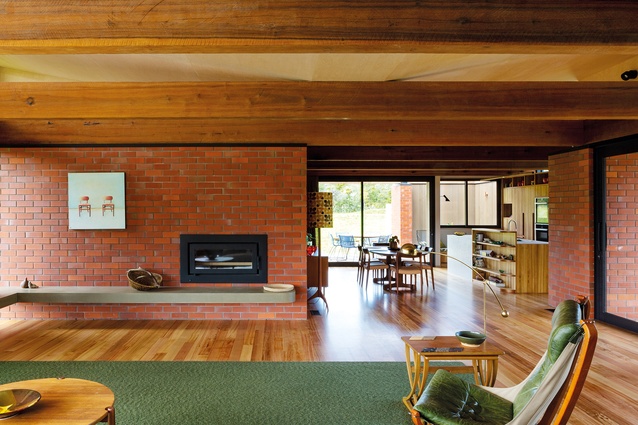
Brick cladding of the Whareora House runs from outside to in, creating a solid base for the horizontal roof beams.
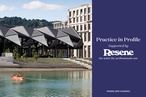
In the latest instalment of Practice in Profile, supported by Resene, Tim Dorrington and Sam Atcheson of Dorrington Atcheson Architects consider what it takes to make buildings that mean something.
Ask Tim Dorrington where a design starts and he’ll likely have sketched an answer before you’ve finished the question. Ask Sam Atcheson the same thing and he’ll work through five versions before committing to one. Nearly two decades of working together have brought these two approaches into a productive equilibrium and produced a body of work that, from the outside, shows no seam between them.
Tim set up on his own in 2002, working from a home office in Grey Lynn. Sam joined him in 2007; formal partnership followed nearly a decade later. The practice has grown and thrived but the two principals think differently enough that a single ‘we’ would flatten something real. So, here’s Tim first, then Sam.
Tim
My parents wanted a section on Waiheke. They’d been working on the owner for years. Every Christmas, a six-pack of Double Brown and another attempt at persuasion. Eventually, he agreed and I got the brief.
I quit my job and spent a year working out how to design something I was actually into: a voyage of discovery. I was deep into the Case Study houses and Rudolph Schindler — I basically stole his truss system and modified it for the Waiheke climate, pitching the roof because it rains considerably more here than it does in California. My father wanted a tower for his telescope and that became the vertical anchor: three pavilions spinning around it with three L-shaped walls defining distinct spaces. It was my take on the New Zealand vernacular: the mono-pitch, the woolshed, the idea of buildings that grow incrementally from a clear starting point.
Japan was shaping all of this at the same time. Mum and Dad were living there and I’d fly over for a week at a stretch, moving through shrines and ordinary apartments. Everything was doing a job — timber without fixings, structure expressed, nothing pretending to be something it wasn’t. My mum would send me GA magazine, Global Architecture, from Tokyo. I couldn’t read a word of it but I’d spend a day on the pictures.
What I took from all of it was less a style than a disposition; don’t layer up more than you need. A reduced aesthetic that lets you read how a project is put together. You should be able to understand the way in which a building is made from what the elements are doing. Clear and simple.
There’s usually a sketch that holds the whole thing. Rough and messy in the sketchbook but making complete sense to me: something I’ll refer back to as a project develops. It comes fast but only after a period of percolation because you can’t force design. I owe that habit partly to Pat Hanly, who taught drawing at architecture school. He said each line matters: that the pressure you put into a single line carries feeling. I think about that still. The sketch, when it comes, is quick. But there’s something in it.
I believe good architecture does something to you that you can’t always name. A tenant in one of our Pocket Houses told us her blood pressure dropped after she moved in. Her doctor had measured it. That’s not a story about luxury; it’s a story about what a well-made space actually does to a person.
That disposition runs through everything we do, I think. In the Easterbrook House in Titirangi, the client wanted something that felt like a permanent camping holiday and I arrived at utilitarian forms. A shed, a tent, another shed. The structural logic is expressed throughout, bolts and all, and the clients brought their own layer of play with a colour code running through the interior that was entirely theirs to read. In the Matarua Rise House in Hawke’s Bay, a single red-brick wall forms the entire south-west elevation and full-height glass fills the other three sides, brick and timber carrying straight through the glazing line as if it weren’t there. In each case: honest structure, humble materials. A building that tells the story of how it was made.
As for the ‘we’… Sam and I had worked together at Fearon Hay. When my practice became busy enough that I couldn’t do everything, I shouldertapped him. What I hadn’t fully appreciated was that we were already working from the same instincts, and that we’d grow together rather than just alongside each other. He’s more reticent than I am. I draw fast, make decisions quickly — sometimes the plan is in my head while the client is still talking. Sam can’t go with the first thing until he’s seen the fifth. From the outside, people rarely know whose project is whose. The feeling is shared, even when the process isn’t.
The bigger realisation, which didn’t come quickly, was that it’s never your house. The ego thing, the designer’s instinct to hold your position, turns out to be the least useful thing you can bring to a residential project. Good friends of mine once told me it took real courage to come and talk to me about their house, and these were people I knew well. If you can’t respect what that courage costs someone, you won’t last long as an architect. It’s their house. Often the design becomes richer for listening.
The Pocket Houses in Ōtāhuhu started as a personal project on a sliver of rear land: two homes, 70 square metres each, on the footprint of a double garage, wrapped in vibrant orange roofing tiles, bedroom doors painted in individual pastel shades. Total build cost: $300,000 per house. The plans are replicable and we intend to make them available for others to use. The architecture is grounded in warmth and sharing. So much soul is being lost to the vanilla, repetitive sameness rolling across our suburbs, with townhouses spreading over the landscape like a mould, designed for a hypothetical future buyer rather than for the people who actually have to live there. The misconception that an individually designed house has to cost more has been perpetuated for decades. It’s simply wrong. We need to be thinking about the next generation trying to get into housing. It’s on architects to do something about that: to prove that good design doesn’t belong only to people who can already afford the luxury. The rightsized house, designed with soul, doesn’t have to be expensive.
Sam
I’d come to architecture through some of the same sources as Tim had come through. The Schindler House, in particular, had been almost a fixation at university. The practice where we met was a serious place to learn design — genuinely passionate, skilled at finding the essence of a thing. But the aesthetic wasn’t quite me and I had my own ideas I wanted to explore. There was a warmth to what Tim was doing that felt more New Zealand, more where I wanted to go. When he approached me, I thought: I’m not sure what this will be but it’ll be different. Must have worked out.
We come at design differently. Where Tim arrives quickly, I tend to circle. I’ll run the same idea through multiple versions, testing it, until one earns its place. Better or worse, better or worse. Somewhere along the way I realised that iteration is what makes the design work and that inquiry gives it strength. You learn to trust the process even when you don’t know where it’s going.
The Lynch Street House in Point Chevalier, completed in 2010, was the first house that felt like: this is us. Two box shapes connected by a concrete gallery — kids’ spaces and grown-up spaces, each element legible, the negative space doing as much work as the built volume does. A second building at the water’s edge was designed from the outset to be repurposed when the brief changes. And a cabinet door in the kitchen opens quietly to the master bedroom: you wouldn’t find it without being shown.
Cunningham House near Matakana is a clear statement of how we think about composition. The original was a 96-squaremetre bach: two mono-pitch timber boxes linked by a flat roof. A new family bought it and came back to us to extend it; the house more than doubled in size. Same timber species, same detailing, same expressed structural logic throughout — and blocks of colour popping against the natural timber, because honesty of structure and joy of occupation are not in competition. The concept was simple enough that the village could just grow bigger.
If Tim’s version of the ‘not your house’ realisation was about ego, mine was more about intimacy. You’re with a client for the better part of a year. You learn who gets up first in the morning, things their closest friends might not know, because you’re working on something that has to fit completely into their lives. Every idea a client brings is a good idea. The architect’s job is to hold the brief, the budget, the site and the context in balance, and if the balance isn’t there, the project isn’t working, whatever the drawings look like.
The Whareora House in Northland is perhaps the purest expression of that. Our clients had lived next door to this nearly flat, private site for 20 years, quietly developing their vision. One of them had grown up in a home her father designed. He was an architectural draughtsperson with a deep feeling for modernism. And that inheritance was present in everything: the mid-century references, the brick walls that run inside and out without interruption, the timber beams forming a datum line from which the roof appears to float. The structural grid is explicit throughout. Every level change is deliberate. It’s a house that took 20 years of thought to arrive at, and you can feel that in it.
I never quite know where a new project is going to go. I’ve learned to trust that. If the commitment hasn’t arrived, I’ll keep working until it does. Simple and humble. Getting the forms to read fairly, not afraid of colour and tactility. A building with soul and room for the story to keep going.
What connects Sam and Tim is something that, perhaps, is simpler than a design philosophy. It’s a belief that a building should mean something to the people who live in it, and that meaning is earned through honesty — of structure, of material, of process. The best buildings do something to you that you can’t always name. Soul isn’t a style. For DAA, it’s what’s left when you’ve taken away the things that don’t need to be there.
Tim Dorrington and Sam Atcheson are partners in DAA, an Auckland-based architecture studio specialising in residential design. Since 1999, DAA has built a reputation for warm, materially honest buildings that balance design ambition with budget, site and the lives of the people who commission them. DAA holds multiple Te Kāhui Whaihanga NZIA Awards.